Fashion is one of the most dynamic and exciting industries in the world. It blends creativity, innovation, culture, and personal expression into a powerful form of visual communication. While many people dream of building a career in fashion, there is often confusion about the different roles within the industry. Two of the most commonly misunderstood professions are fashion styling and fashion design.
At first glance, a Fashion Stylist and a Fashion Designer may seem to perform similar work because both are involved in creating fashionable looks. However, their responsibilities, skills, work environments, and career paths are quite different. One creates the clothing, while the other creates the complete visual story around it.
Understanding the distinction between these careers is essential for students considering a future in fashion. Whether you dream of launching your own clothing label or styling celebrities for magazine covers, knowing the difference will help you choose the right educational path and professional direction.
In this guide, we’ll explore the key differences between fashion stylists and fashion designers, their roles in the industry, required skills, career opportunities, and how aspiring fashion professionals can decide which path is best suited to their talents and interests.
Understanding the Fashion Industry
The fashion industry is much larger than simply designing clothes. It includes a wide range of creative and business-oriented roles that work together to bring fashion from concept to consumer.
Some major career areas include:
- Fashion Design
- Fashion Styling
- Fashion Marketing
- Fashion Merchandising
- Fashion Photography
- Fashion Journalism
- Textile Design
- Fashion Illustration
- Costume Design
- Fashion Buying
Among these professions, fashion designers and fashion stylists play highly visible and influential roles.
Although both contribute to shaping fashion trends and influencing consumer choices, their responsibilities differ significantly.
Who Is a Fashion Designer?
A fashion designer is a professional who creates original clothing, accessories, footwear, or fashion collections. Designers are responsible for developing concepts and transforming ideas into wearable products.
Fashion designers combine artistic creativity with technical expertise to create garments that meet aesthetic, functional, and market demands.
What Does a Fashion Designer Do?
Fashion designers are involved in every stage of the design process.
Their responsibilities may include:
- Researching fashion trends
- Developing design concepts
- Sketching garment ideas
- Selecting fabrics and materials
- Creating technical drawings
- Designing patterns
- Supervising sample production
- Working with manufacturers
- Presenting collections
A fashion designer focuses on creating the actual product that consumers wear.
The Creative Process of Fashion Design
Fashion design begins long before a garment reaches a store.
The process often includes:
Trend Research
Designers study global fashion trends, consumer preferences, cultural influences, and seasonal forecasts.
Concept Development
Ideas are transformed into mood boards, sketches, and design themes.
Fabric Selection
Choosing appropriate materials is crucial for achieving the desired appearance and functionality.
Garment Construction
Designers collaborate with pattern makers and production teams to create prototypes.
Collection Presentation
Finished designs are showcased through fashion shows, lookbooks, and retail collections.
Every step requires creativity, technical knowledge, and attention to detail.
Who Is a Fashion Stylist?
A fashion stylist is a professional who creates visually appealing outfits and fashion presentations using existing clothing and accessories.
Rather than designing garments, stylists focus on selecting, combining, and coordinating pieces to achieve a specific aesthetic or message.
Fashion stylists help bring fashion to life through creative presentation.
What Does a Fashion Stylist Do?
Fashion stylists work across various sectors of the industry.
Their responsibilities may include:
- Selecting outfits for photoshoots
- Styling celebrities
- Coordinating fashion campaigns
- Creating editorial looks
- Organizing wardrobe selections
- Advising clients on personal style
- Styling fashion shows
- Collaborating with photographers and makeup artists
A stylist's goal is to create complete looks that communicate a story, mood, or brand identity.
The Art of Styling
Styling goes beyond choosing attractive clothing.
Professional stylists consider:
- Color harmony
- Body proportions
- Fashion trends
- Occasion requirements
- Brand aesthetics
- Visual storytelling
The best stylists understand how clothing, accessories, hair, makeup, and photography work together to create impactful images.
The Core Difference Between a Fashion Stylist and a Fashion Designer
The simplest way to understand the difference is:
Fashion Designers Create Fashion
Designers develop original garments and collections.
They focus on:
- Designing clothing
- Creating new fashion concepts
- Developing products
- Constructing garments
Fashion Stylists Present Fashion
Stylists use existing garments and accessories to create fashionable looks.
They focus on:
- Outfit coordination
- Fashion presentation
- Image creation
- Visual storytelling
A designer creates the dress.
A stylist decides how the dress is worn, accessorized, photographed, and presented to the audience.
Skills Required for Fashion Designers
Fashion designers need a combination of artistic and technical abilities.
Creativity and Innovation
Designers must generate original ideas that stand out in a competitive market.
Drawing and Illustration
Fashion sketching helps designers communicate concepts effectively.
Textile Knowledge
Understanding fabrics, textures, and material behavior is essential.
Pattern Making and Garment Construction
Technical knowledge ensures designs can be successfully produced.
Trend Forecasting
Designers must anticipate future fashion trends rather than simply follow them.
Problem-Solving Skills
Creating functional and aesthetically pleasing garments often requires innovative solutions.
Skills Required for Fashion Stylists
Fashion stylists rely heavily on visual communication and trend awareness.
Strong Fashion Sense
Stylists must recognize what works visually and aesthetically.
Color Coordination
Understanding color relationships is crucial for creating balanced looks.
Communication Skills
Stylists frequently work with clients, photographers, designers, and creative teams.
Trend Awareness
Keeping up with current and emerging fashion trends is essential.
Creativity
Stylists need imagination to transform ordinary garments into compelling visual stories.
Attention to Detail
Accessories, footwear, makeup, and even posture can influence the success of a styled look.
Educational Path for Fashion Designers
Fashion designers typically pursue formal education in fashion design.
Programs often cover:
- Fashion Illustration
- Pattern Making
- Garment Construction
- Textile Studies
- Fashion History
- Computer-Aided Design (CAD)
- Fashion Business
A structured design education helps students develop both creative and technical expertise.
Learning Through Practical Experience
Fashion design students often work on:
- Collection development
- Design projects
- Fashion shows
- Industry internships
Practical learning is a key component of becoming a successful designer.
Educational Path for Fashion Stylists
Fashion stylists may come from various educational backgrounds.
Common areas of study include:
- Fashion Styling
- Fashion Communication
- Fashion Media
- Fashion Marketing
- Visual Merchandising
Styling courses focus on:
- Personal styling
- Editorial styling
- Trend analysis
- Fashion photography
- Image consulting
Hands-on experience is especially important in styling careers.
Work Environment of Fashion Designers
Fashion designers work in diverse settings.
Fashion Houses
Many designers work for established fashion brands creating seasonal collections.
Independent Labels
Some designers launch their own fashion businesses.
Manufacturing Companies
Designers may create garments for large-scale production.
Luxury Brands
High-end designers often work on exclusive collections and runway presentations.
Their work environment typically involves studios, workshops, design software, and production facilities.
Work Environment of Fashion Stylists
Stylists enjoy a fast-paced and varied work environment.
Photoshoots
Editorial and commercial shoots are common workplaces.
Celebrity Styling
Many stylists work with actors, musicians, influencers, and public figures.
Fashion Shows
Stylists help coordinate runway looks and presentations.
Personal Styling
Some professionals work directly with clients to improve their wardrobe and image.
Their work often involves travel, event preparation, and collaboration with creative teams.
Career Opportunities for Fashion Designers
Fashion design offers numerous career possibilities.
Fashion Designer
Creating apparel collections for brands or personal labels.
Textile Designer
Designing fabrics, prints, and textile patterns.
Costume Designer
Creating clothing for films, television, and theatre productions.
Fashion Entrepreneur
Launching an independent fashion brand.
Product Developer
Managing the development process from concept to production.
The opportunities continue to expand as fashion markets evolve globally.
Career Opportunities for Fashion Stylists
Fashion styling also provides diverse career paths.
Celebrity Stylist
Working with actors, musicians, athletes, and influencers.
Editorial Stylist
Creating looks for magazines and publications.
Commercial Stylist
Styling advertising campaigns and brand promotions.
Personal Stylist
Helping clients build wardrobes and enhance their personal image.
Fashion Consultant
Providing style advice for brands, retailers, and individuals.
Stylists often enjoy flexible and creative career opportunities.
Fashion Designers and Stylists Often Work Together
Although their responsibilities differ, designers and stylists frequently collaborate.
For example:
- A designer creates a new collection.
- A stylist selects garments from the collection.
- The stylist builds complete looks.
- A photographer captures the final images.
- Marketing teams promote the campaign.
Both professionals contribute to a garment's success and public perception.
Without designers, there would be no new fashion products.
Without stylists, many designs would not reach their full visual potential.
Which Career Is Right for You?
Choosing between fashion design and fashion styling depends on your interests and strengths.
Fashion Design May Be Right for You If:
You enjoy:
- Drawing and sketching
- Creating original garments
- Working with fabrics
- Sewing and construction
- Developing fashion collections
- Solving design challenges
Designers are creators who bring new fashion ideas into existence.
Fashion Styling May Be Right for You If:
You enjoy:
- Putting outfits together
- Following trends
- Visual storytelling
- Working with people
- Fashion photography
- Creating impactful looks
Stylists are image creators who transform clothing into memorable fashion statements.
The Growing Demand for Fashion Professionals
The global fashion industry continues to evolve rapidly.
Several trends are creating new opportunities for both designers and stylists:
Social Media Growth
Influencers and digital creators require professional styling and unique fashion content.
E-Commerce Expansion
Online fashion retailers need designers and stylists to enhance product presentation.
Sustainable Fashion
Brands seek innovative designers who can create eco-conscious collections.
Personal Branding
Professionals increasingly hire stylists to improve their public image.
As fashion becomes more digital and global, skilled professionals remain in high demand.
Why Fashion Education Matters
Regardless of which career path you choose, professional education provides a strong foundation.
Fashion programs help students:
- Develop technical skills
- Build creative confidence
- Understand industry practices
- Create professional portfolios
- Gain hands-on experience
A quality educational environment exposes students to both design and styling disciplines, helping them discover their strengths.
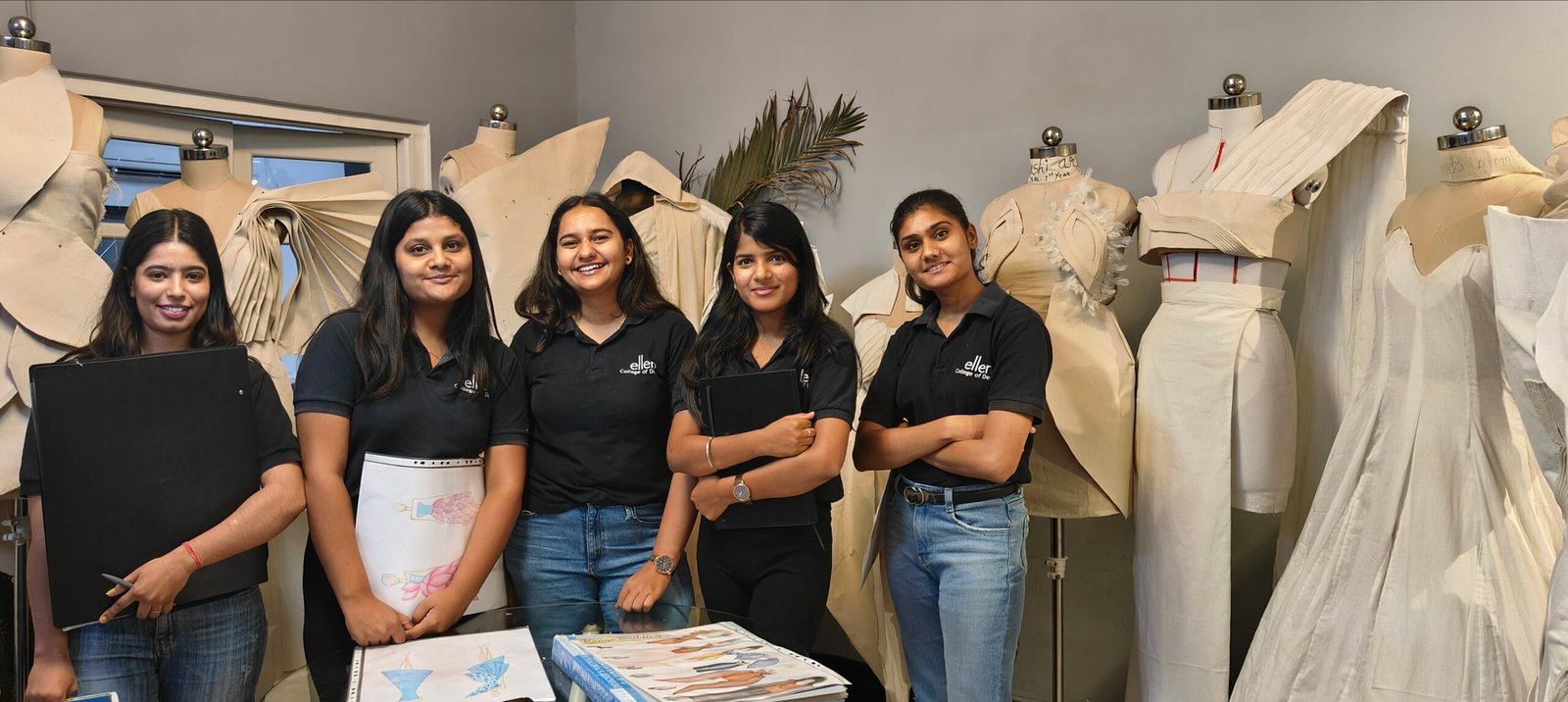
Students pursuing a Fashion Designing Course in Jaipur gain valuable exposure to design principles, textile traditions, garment construction techniques, fashion technology, and industry trends. Such programs not only prepare future fashion designers but also provide insights into related fields such as fashion styling, merchandising, and fashion communication.
By learning from experienced professionals and participating in real-world projects, students can confidently enter the competitive fashion industry.
The Future of Fashion Design and Styling
The future of fashion is exciting, innovative, and increasingly interconnected.
Technology, sustainability, digital fashion, and global cultural influences are reshaping the industry.
Fashion designers will continue developing creative solutions for modern consumers, while stylists will play a critical role in presenting those creations across digital and physical platforms.
Artificial intelligence, virtual fashion shows, online styling services, and sustainable production methods are creating new opportunities for both professions.
Those who combine creativity, adaptability, and professional training will be well-positioned for success.
Conclusion
Fashion stylists and fashion designers are both essential to the fashion industry, but their roles are fundamentally different. Fashion designers create the garments, develop collections, and bring new fashion ideas to life. Fashion stylists take those creations and transform them into compelling visual stories through outfit coordination, presentation, and image building.
While designers focus on creation, stylists focus on presentation. One designs the fashion; the other defines how it is seen and experienced by the world.
Both careers offer exciting opportunities for creative individuals who are passionate about fashion. Whether your dream is to launch a clothing brand, design runway collections, style celebrities, or create iconic editorial shoots, understanding these distinctions can help you choose the right path.
As the fashion industry continues to grow and evolve, both fashion designers and fashion stylists will remain at the heart of innovation, creativity, and self-expression—shaping the trends that inspire millions around the globe.